Table Of Content

Your first stop would be to see your general practitioner (GP) who can perform a medical workup to exclude other reasons for hair loss. Your GP can refer you to a dermatologist for further management of FPHL. Sometimes, it may be necessary for your doctor to perform a scalp biopsy to confirm this diagnosis.
How Much Hair Loss Is Normal
Still, this remains best used as an add-on to oral meds or topical minoxidil. “I’ll always start with minoxidil plus a good oral medical regimen, then add this in as an adjunct treatment,” says Dr. Mirmirani. Dr. Green was skeptical about the hype surrounding this popular supplement…until she started taking it herself and was impressed with the results. It’s good for overall hair follicle health, which is important for any type of hair loss,” she says. Just keep in mind that it’s not cheap, it takes three to six months to see results, and requires a regimen of four pills daily. Dramatic changes in the body can cause temporary hair loss.
When should I see a healthcare provider?
Unless you have extremely oily hair, consider washing your hair only every other day or less. If they suspect an autoimmune or skin condition, they might take a biopsy of the skin on your scalp. This involves carefully removing several small sections of skin for laboratory testing. They’ll likely use a combination of your health history — including any recent illnesses, surgeries, life stressors, and family history — and a physical exam to help narrow down the causes.
Can genetics cause female pattern baldness?
The telltale signs of these conditions are chronic inflammation of the scalp and the scarring of hair follicles, which can result in irreversible hair loss, Agbai notes. Alopecia areata is an autoimmune condition that is characterized by “round patches of hair loss on the scalp,” although it can occur elsewhere on the body, Agbai says. While the exact reason for this type of hair loss is unknown, it is generally understood that “the immune system mistakenly attacks hair follicles, leading to hair loss,” she adds.
Can female pattern baldness worsen?
Discuss your hair loss with your friends, family and loved ones, preferably early on. Let them know how you feel about it and what kind of support you need. It's not easy, but try to come to terms with your hair loss.
Laser therapy
After telogen, the hair follicle undergoes another anagen phase to produce new hair that grows out of the same follicle. As it grows, the old telogen hair is dislodged or pushed out. Hair loss, known medically as alopecia, is fairly common.
In the middle and later stages of female pattern baldness, you’ll lose hair on either side of your part and toward the front of your scalp. The major positive to keep in mind if you’re dealing with this type of hair loss is that it’s temporary and will ultimately resolve on its own. If there are no other contributing factors at play (i.e. a nutritional deficiency; more on that in a moment) and the stress isn’t chronic, your hair growth cycle will eventually normalize. “You might experience shedding for a few months, but it should subside,” says Dr. Green.
Medications to treat hair loss
With about 100,000 hairs on your head, that small loss isn’t noticeable. New hair normally replaces the lost hair, but this doesn’t always happen. The medication works by prolonging the growth phase of hair, giving your hair more time to grow out. You can have hair loss as a result of physical stress, like when you give birth or have surgery, or intense emotional stress, like a death in the family, divorce, or unemployment. Hair loss can happen a couple of weeks to 6 months after any stressful experience. SELF does not provide medical advice, diagnosis, or treatment.
The 8 Best Vitamins for Hair Growth of 2024 - Health.com
The 8 Best Vitamins for Hair Growth of 2024.
Posted: Wed, 24 Apr 2024 20:03:45 GMT [source]
The most important step is to test your serum before using it for the first time. “Apply the serum to a small spot on the scalp for a few days to ensure that there is no irritation before applying it more broadly,” says Dr. Mirmirani. “A measured approach is best.” To that end, get comfortable with the fact that you’ll need to be both consistent and patient in your usage, as the results can take time. A review study published in 2022 found that it significantly increases hair diameter and hair count in patients with several types of alopecia.
If you've lost your hair, even temporarily, life will be easier if you can accept what's happened and learn to live with your altered appearance. “Give your doctor a full hair history — when the thinning began, where and how extensive the thinning is, and any relevant symptoms,” she says. You should only take biotin, iron, or zinc when your blood test shows that you have a deficiency.
Menopause and hair loss: everything you need to know - Women's Health UK
Menopause and hair loss: everything you need to know.
Posted: Wed, 31 Jan 2024 08:00:00 GMT [source]
Medications that help balance hormone levels are where it’s at for these conditions. In the case of PCOS, this might involve birth control pills to regulate your menstrual cycle and lessen the impact androgens can have on your hair follicles. “Anti-androgen medications, such as spironolactone, may also be prescribed to counteract the effects of excess androgens,” Dr. Mitchell says.
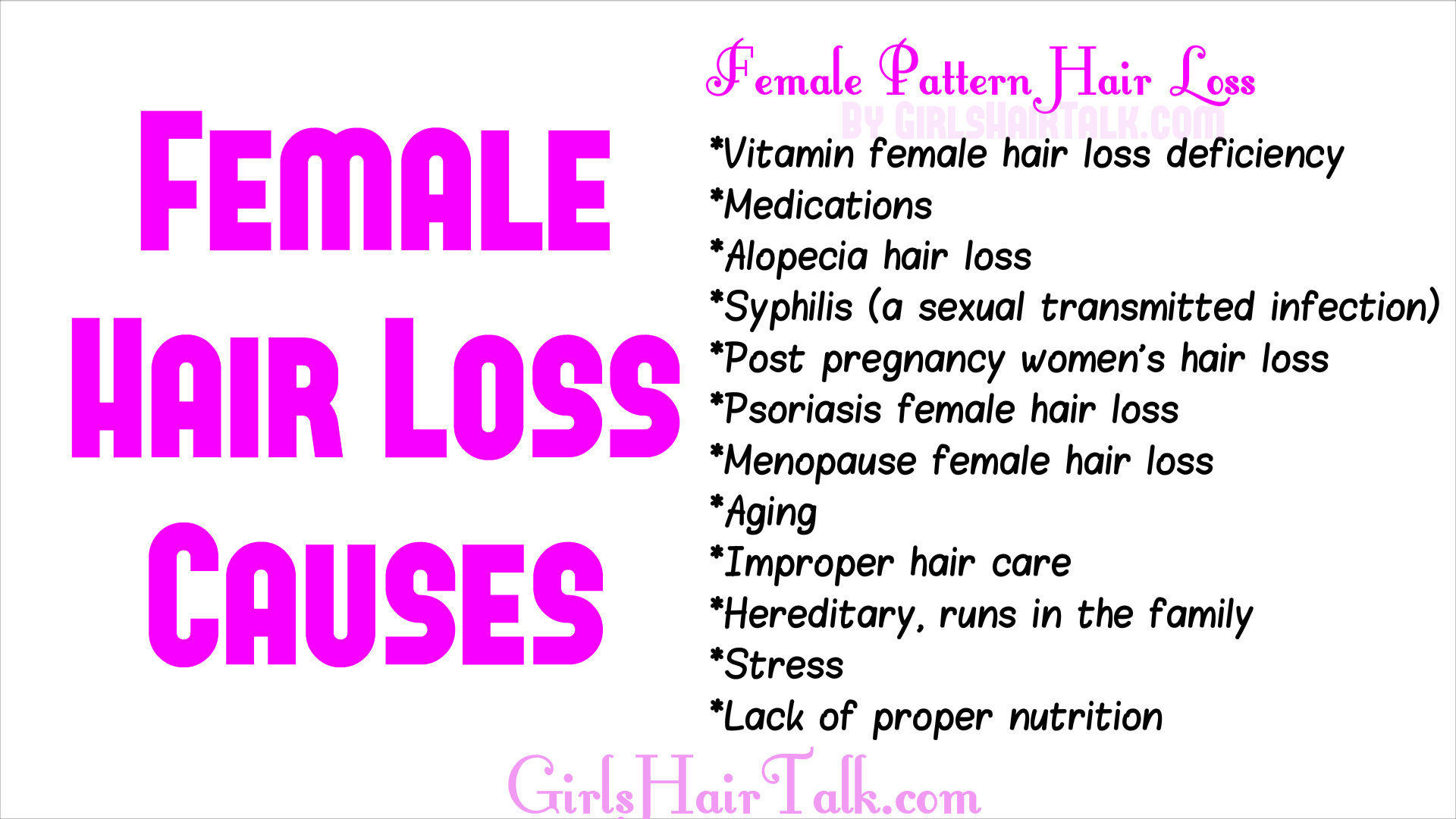
You're most likely to see hair loss about 3 months after giving birth. That's because your estrogen levels drop after childbirth. If you're losing hair while pregnant, ask your doctor if you might have a dietary deficiency. While male hair loss tends to affect the forehead or the crown of the head, female hair loss often leads to thinning on the top third to half of the scalp. Your part may gradually become wider, you might see more of your scalp when your hair is pulled back, or your ponytail could be less full. Underlying conditions, like anemia (iron deficiency) and hypothyroidism (an underproduction of thyroid hormones) can also trigger the disorder.
‘Telogen effluvium is a type of hair loss resulting from the disruption of the hair growth phase. When more hairs are in the resting phase than in the growing phase, extensive hair shedding and sudden hair loss in women can occur. Baldness is often hereditary, and is activated by a shift in your hormones. Male-pattern hair loss is what causes a receding hairline and baldness in men. In women, female-pattern hair loss typically affects the crown or top of the head first, Mirmirani says. Women may notice that their part is becoming wider or that their scalp is more visible.


No comments:
Post a Comment